


Code Refactoring
We restructure AI-generated code into a clean, maintainable codebase your team can extend.
- Module structure, naming, and folder cleanup
- Duplicate logic consolidation and abstraction
- Readable, documented code ready for handoff

Your team shipped fast with AI. Now the code has to pass a security review, hold up under compliance testing, and survive production load. Relevant hardens what your engineers and departments built with AI, and gets it production-ready without a rewrite.

We restructure AI-generated code into a clean, maintainable codebase your team can extend.
Relevant closes the security gaps AI tools leave behind before your next security questionnaire or client finds them.
We find and fix the bottlenecks AI-generated code introduces, so your app runs efficiently under real load.
Our team adds the infrastructure, observability, and reliability layers AI tools rarely produce on their own. The codebase meets your existing deployment and uptime standards.
We add the test layer and quality controls to enable future changes to be safely deployed.

We run a comprehensive review of your AI-generated code, covering structure, dependencies, security posture, performance bottlenecks, and test coverage. Critical issues across thousands of lines get surfaced before a single fix is made.

Audit findings become a prioritized plan: what needs refactoring, what blocks production, and what’s safe to leave for later. You see which fixes are critical before the first commit.

You get a codebase with clean module boundaries, consistent naming, no duplicate logic, and a folder structure your team can navigate. Senior engineering judgment underpins every change, so the refactor moves quickly without sacrificing structural quality.

We close the security gaps and fix the performance bottlenecks AI tools leave behind: secrets management, input validation, authentication fixes, query optimization, memory leaks, and blocking calls.

Your team gets the test coverage, CI/CD pipelines, logging, and monitoring that most AI-generated codebases lack.

You receive a refactored, secured, and test-covered codebase, along with a code quality report, security audit summary, and deployment-ready infrastructure. You can hand it to your engineering team or continue with the Relevant team that did the cleanup as an ongoing AI engineering retainer.

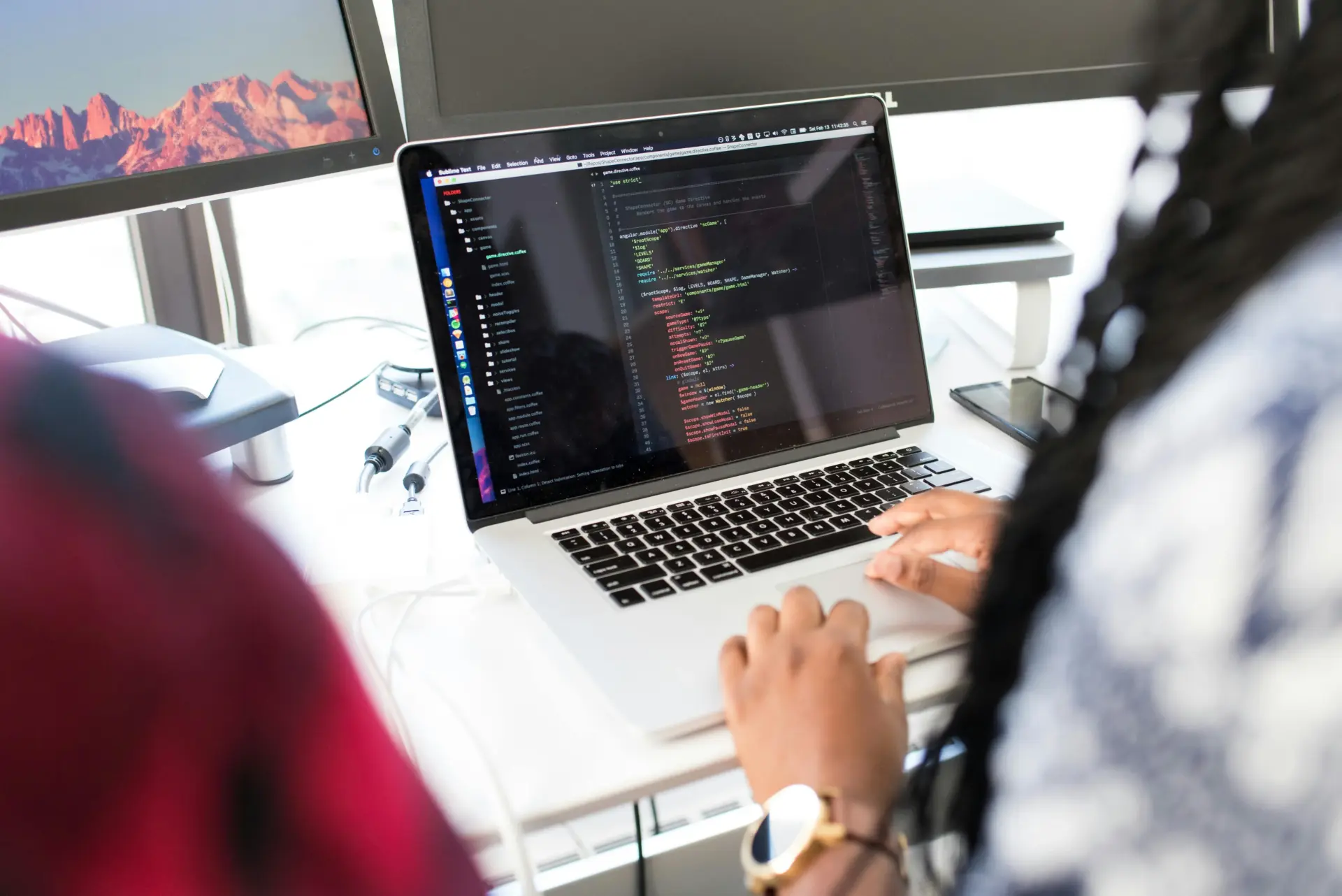


Cleanup is a series of judgment calls about code that already exists. 13+ years of building production software means our refactorings, security fixes, and infrastructure work withstand real user contact.
The issues we find in your AI-generated code are ones we’ve already seen, fixed, and shipped in real products across fintech, healthtech, and enterprise SaaS.
Your business logic, product decisions, and working code stay intact. We restructure, secure, and stabilize what’s there without replacing what works.
GDPR, HIPAA, and SOC 2 issues show up fast in AI-generated code. We identify what applies during cleanup, not after your first enterprise client asks for it.
You work with architects and tech leads who know which AI-generated patterns are safe to keep and which need a rewrite before they reach production
Cursor, Lovable, Bolt, v0, Copilot, Claude Code, Codex, Windsurf, Replit: every AI tool defaults to a different stack. We ship across all of them, so whatever your prototype landed on, we already know how to clean it up.


At Relevant, vibe coding cleanup is a project-based engagement that takes an AI-generated codebase and brings it to a state ready for safe production deployment. The work covers code refactoring, security hardening, performance optimization, test coverage, and production infrastructure.
The goal is to stabilize the codebase without throwing away the speed AI gave you. You walk away with refactored architecture, closed security gaps, a working test suite, deployment-ready CI/CD, and documentation written for the engineers who’ll maintain it next.
A rewrite throws out the code and starts over. Cleanup keeps your business logic, product decisions, and most of the working implementation intact, then restructures and hardens it around them. The work happens inside your existing codebase, not on top of a replacement.
For most AI-generated prototypes, a rewrite is overkill and wastes the speed that got the product to this point. Cleanup costs less, ships faster, and preserves product decisions that have already been validated with users or stakeholders. We flag cases where a rewrite makes more sense during step 1 of the audit, so you know before any cleanup work begins which path is better for your codebase.
No. Cleanup engagements run in parallel alongside whatever your team is currently shipping. Our engineers work in a separate branch, coordinate with your team on integration timing, and merge changes in agreed-upon phases rather than dropping a single large refactor into your repository.
For enterprise SaaS teams, we follow your existing engineering process — code review, branching strategy, CI/CD gates, and deployment cadence. The cleanup work integrates into your workflow. Your team’s velocity stays unaffected, and they review every change before it lands.
We work across all the stacks AI tools commonly produce. Node.js, Next.js, React, Python, FastAPI, Django, mobile (React Native, Flutter), Go, and the AI-native frameworks (LangChain, LlamaIndex, vector store integrations) all fall within our team’s day-to-day work.
On the AI tooling side, we’ve cleaned up codebases generated by Cursor, GitHub Copilot, Lovable, Bolt, v0, Replit Agent, Claude Code, raw ChatGPT/Claude prompting, Codex, and Windsurf. Each tool has its own patterns and failure modes, and our engineers know what to look for in each one.
Your codebase, customer data, and product roadmap are covered by standard mutual NDA terms, and we follow the access controls and data-handling rules your security team requires.
For enterprise engagements, we comply with your existing vendor security review process, including SOC 2 attestation, background-checked engineers, restricted-access environments, and any specific tooling requirements (private GitHub orgs, VPN-only access, region-locked infrastructure).
Cleanup engagements are scoped after the initial audit (step 1 of the process), and pricing is phased against the cleanup scope agreed in step 2.
Сleanup engagements engagements typically take one week or longer, depending on the size of the codebase, the severity of the issues found, and how much of the production infrastructure work is in scope. The audit itself starts at $900, after which you receive a phased budget with all assumptions documented before any cleanup work starts.
You receive the cleaned-up codebase, a code quality report, a security audit summary, and the production infrastructure required to deploy. From there, you have three options:
The retainer path is the most common choice for B2B SaaS teams that need continued senior engineering capacity without losing the context built during the cleanup.
Book a call with our experts to discuss your refactoring scope and production-readiness work. Get a plan that hardens what you’ve built instead of starting over.


 AI
AI AI
AI AI
AI